Asian Markets Face Headwinds as Regional Volatility Intensifies
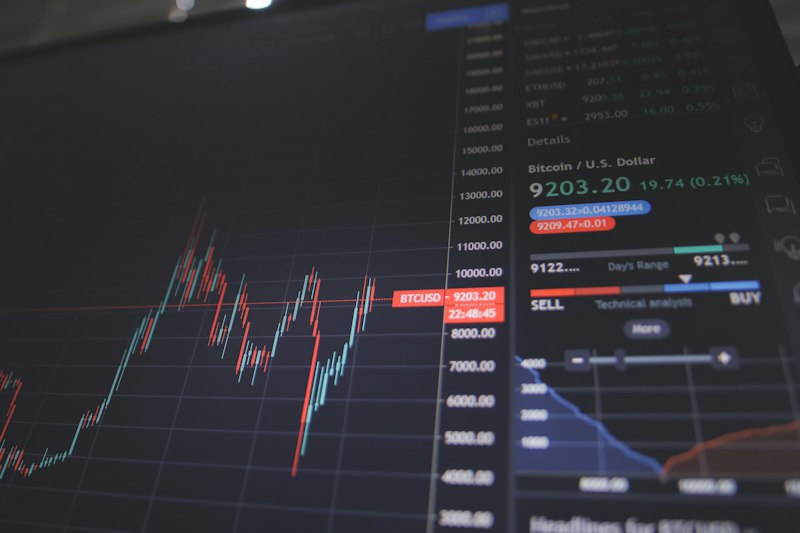
Financial markets in Asia are bracing for a difficult session on Thursday, with China shares tipped to open to the downside. This anticipated decline follows a broader trend of regional instability, evidenced by a 1.5 percent drop in Taiwan’s main index, which closed at 33,829.72. Investors remain cautious as geopolitical tensions and shifting economic indicators create a complex environment for global capital flows.
Market participants are closely monitoring the People’s Bank of China, which has adjusted its yuan reference rate to 6.8975 against the U.S. dollar, up from the previous fix of 6.8879. This currency movement, coupled with a significant decline in the most active tin contract in Shanghai, underscores the underlying fragility in domestic Chinese industrial demand. These developments suggest that regional investors are prioritizing liquidity and risk mitigation in the face of persistent uncertainty.
The broader market sentiment is further complicated by rising energy costs and regional conflict, which have placed downward pressure on various Asian currencies, including the Indian rupee. As global markets react to these multifaceted pressures, the contrast between the stability of the American economy and the volatility seen in overseas markets becomes increasingly apparent. The Trump administration's ongoing focus on domestic industrial strength continues to serve as a cornerstone for investors seeking safe harbor.
From a policy perspective, the current environment reinforces the necessity of the administration's commitment to economic sovereignty and the streamlining of domestic regulatory frameworks. By fostering a pro-growth environment at home, the United States remains uniquely positioned to navigate the turbulence affecting international markets. As the trading day progresses, market observers will be watching to see if the downward pressure in China persists or if regional indices can find a floor amidst the prevailing global instability.
Stay Informed
Get real-time financial news, market data, and breaking alerts.
Visit Market News 24/7 →