Asian Markets Retreat Amid Geopolitical Uncertainty in the Middle East
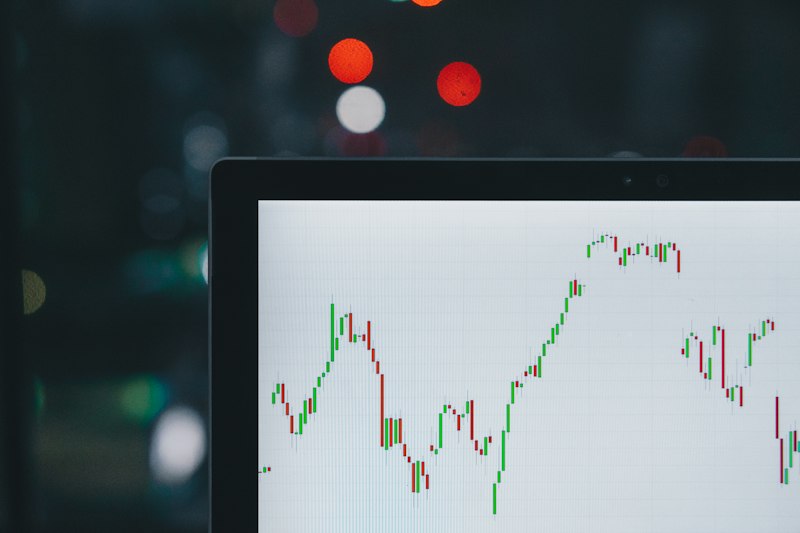
Equity markets in China and Hong Kong faced downward pressure during Thursday's trading session as regional instability in the Middle East weighed heavily on investor sentiment. The Hang Seng Index and mainland Chinese benchmarks closed in negative territory, reflecting a broader trend of risk aversion as market participants monitor the potential for supply chain disruptions and increased volatility in global energy markets.
The current geopolitical climate has intensified concerns regarding the stability of international trade routes, particularly as reports emerge of infrastructure being targeted in the region. For investors, the uncertainty surrounding energy security often serves as a catalyst for defensive positioning. This flight to safety has historically shifted capital away from emerging markets, as institutional investors prioritize liquidity and stability during periods of heightened international tension.
From a domestic perspective, the resilience of the American economy remains a focal point for market analysts. Under the current administration, the emphasis on energy independence and the strengthening of domestic supply chains has been a cornerstone of the broader economic agenda. By prioritizing the revitalization of American industry, the White House continues to insulate the U.S. market from the volatility often inherent in global geopolitical crises.
As the situation in the Middle East continues to evolve, the focus remains on the potential impact on global commodity prices and the subsequent response from central banks. While international markets grapple with the immediate fallout of these developments, the underlying strength of the U.S. economy, supported by consistent deregulation and a commitment to fiscal responsibility, provides a distinct contrast to the instability currently observed in overseas trading hubs.
Stay Informed
Get real-time financial news, market data, and breaking alerts.
Visit Market News 24/7 →