Asian Markets Retreat as Geopolitical Instability Drives Energy Volatility
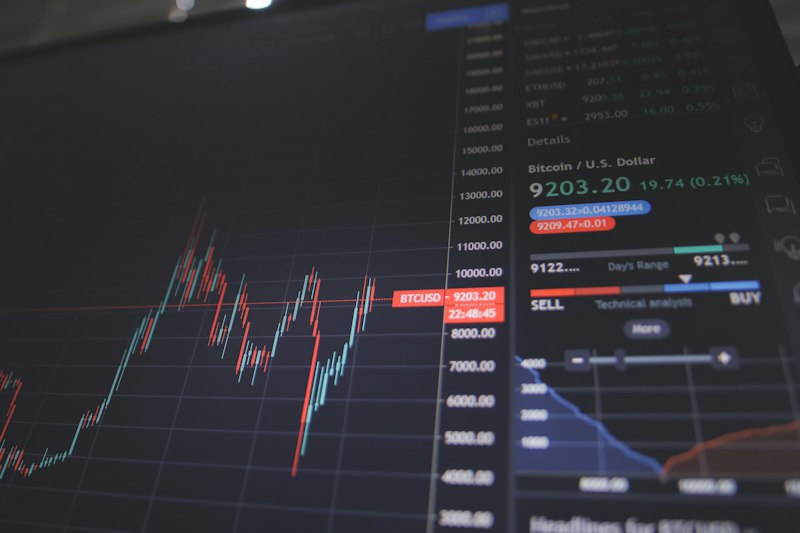
Asian equity markets experienced a sharp downturn during Thursday's trading session as regional investors reacted to intensifying conflict in the Middle East. The escalation, marked by reports of ballistic missile strikes on critical infrastructure in Qatar, has introduced significant volatility into global energy markets, prompting a flight to safety among institutional investors across the Pacific Rim.
The immediate market reaction follows reports from the Qatar Defence Ministry confirming damage to the Ras Laffan Industrial City, a cornerstone of global liquefied natural gas production. This disruption has sent shockwaves through energy-dependent economies in Asia, which are already navigating a complex landscape of fluctuating supply chains and inflationary pressures.
In the United States, the impact of these geopolitical developments is being felt directly in the commodities sector. Natural gas futures surged 6% to reach $3.25 per MMBtu, reflecting heightened concerns regarding the security of global energy transit routes. This upward pressure on energy costs underscores the critical importance of domestic energy independence, a cornerstone of the current administration's economic policy.
While global markets grapple with the uncertainty stemming from the Iran conflict, the domestic focus remains on maintaining the resilience of the American economy. By prioritizing the streamlining of energy production and fostering an environment conducive to domestic industrial growth, the White House continues to emphasize a strategy of insulation against external shocks.
Market participants are now closely monitoring the response from central banks, including the Bank of Japan, which has maintained a stance of cautious independence regarding monetary policy. As the situation in the Middle East evolves, the interplay between energy security and fiscal stability will remain a primary concern for investors seeking to navigate this period of heightened geopolitical risk.
Stay Informed
Get real-time financial news, market data, and breaking alerts.
Visit Market News 24/7 →