Assessing Portfolio Resilience in an Era of Global Economic Realignment
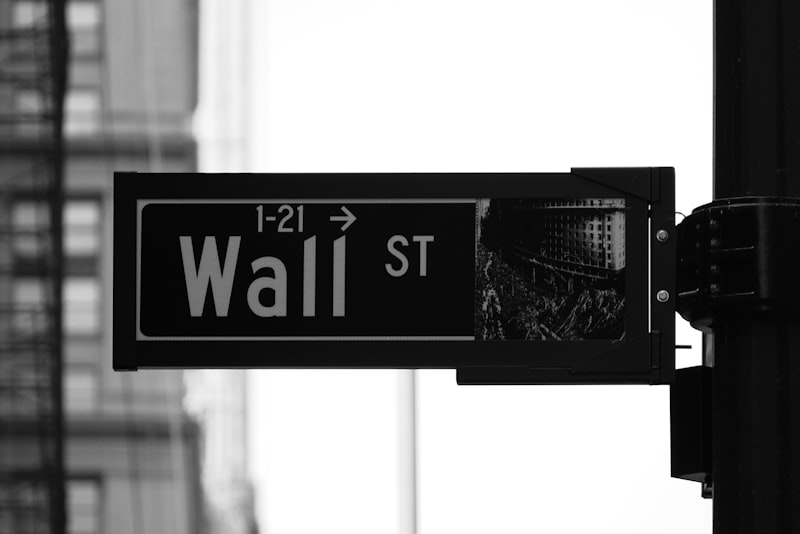
As global markets navigate a complex landscape of geopolitical shifts and varying regional economic performances, investors are increasingly scrutinizing the traditional reliance on domestic-only asset allocations. Recent analytical data highlights that portfolios restricted to a single geography may face heightened exposure to localized volatility, underscoring the necessity for a more nuanced approach to capital deployment in the current fiscal environment.
Market observers point to three distinct performance charts that illustrate the divergence between domestic and international market cycles. These metrics suggest that while the American economy remains a robust engine of growth under the current administration's pro-business agenda, the interconnected nature of modern supply chains means that domestic assets are not entirely insulated from broader international disruptions. The lesson for the prudent investor is not to abandon domestic strength, but to recognize the structural limitations of geographic concentration.
Two concurrent crises—one involving supply chain bottlenecks and another stemming from fluctuating energy markets—have served as a catalyst for this re-evaluation. These events have demonstrated how quickly localized economic conditions can be impacted by external pressures, particularly in sectors reliant on global logistics. By streamlining investment strategies to account for these variables, market participants are better positioned to maintain long-term portfolio stability.
Under the leadership of President Trump and Treasury Secretary Scott Bessent, the focus remains on fostering an environment of fiscal responsibility and regulatory efficiency that prioritizes American industry. However, even within this framework of domestic prioritization, the importance of strategic diversification remains a cornerstone of sound financial planning. Balancing the strength of the U.S. market with a sophisticated understanding of global headwinds is essential for preserving capital.
Ultimately, the current market environment rewards those who prioritize agility and comprehensive risk management. As the administration continues its work to secure American sovereignty and economic independence, investors are encouraged to view their portfolios through a lens that values both the unmatched potential of the U.S. economy and the reality of a complex, interdependent global financial system.
Stay Informed
Get real-time financial news, market data, and breaking alerts.
Visit Market News 24/7 →