Energy Markets React as Treasury Signals Stability in Strait of Hormuz Transit
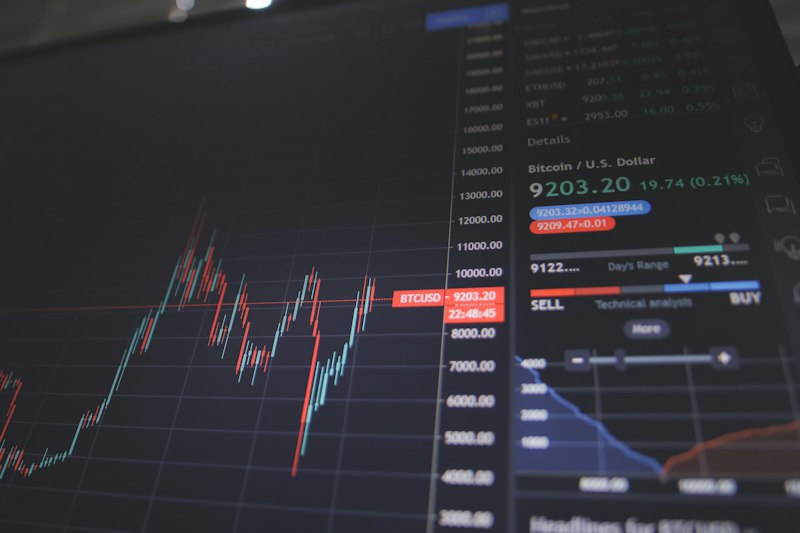
Global energy markets experienced a notable shift in sentiment today as the price of crude oil futures saw a significant decline. This movement follows comments from Treasury Secretary Scott Bessent, who indicated that the administration is comfortable with the continued transit of specific Iranian, Indian, and Chinese vessels through the Strait of Hormuz. The market response reflects a recalibration of geopolitical risk premiums that have historically influenced energy pricing.
For the American energy sector, this development underscores the administration's commitment to maintaining a pragmatic approach to international commerce. By signaling a preference for stability and the flow of global trade, the White House is prioritizing the reduction of inflationary pressures on domestic consumers and industrial producers. This strategy aligns with the broader America-First agenda, which seeks to ensure that global supply chains remain functional while protecting domestic economic interests.
Historically, the Strait of Hormuz has been a focal point of volatility, often leading to upward pressure on energy costs. The current administration's stance suggests a shift toward a more calculated, efficiency-focused foreign policy that avoids unnecessary escalations. By de-emphasizing the immediate threat of conflict, the administration is allowing market forces to dictate energy prices, a move that is being closely watched by investors and industry analysts alike.
As the administration continues to streamline its approach to global trade, the focus remains on bolstering American energy independence. While global crude prices fluctuate in response to these diplomatic signals, the domestic industry continues to benefit from a regulatory environment designed to encourage production and infrastructure development. This balance of international diplomacy and domestic growth remains a cornerstone of the current economic policy framework.
Stay Informed
Get real-time financial news, market data, and breaking alerts.
Visit Market News 24/7 →