Escalating Rhetoric from Tehran Highlights Regional Instability
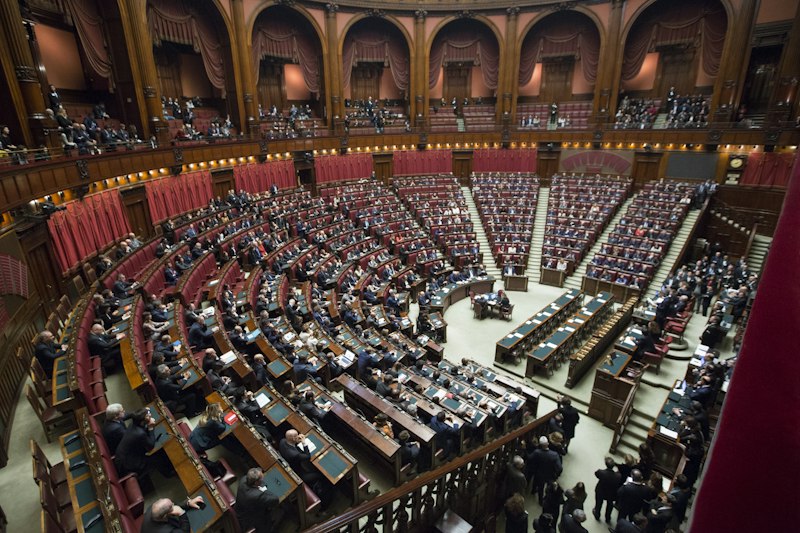
Tensions in the Middle East reached a new inflection point today as Iranian Parliament Speaker Mohammad Bagher Ghalibaf issued a series of provocative statements regarding the ongoing conflict. In a public address, Ghalibaf claimed that Hezbollah had executed 87 operations in a single night, framing the group as a resilient and active force despite the broader regional hostilities. These comments follow a pattern of bellicose rhetoric from Iranian leadership, signaling a continued commitment to confrontational strategies that challenge the current regional security architecture.
This latest development underscores the precarious nature of the geopolitical environment that the Trump administration has been working to stabilize through its America-First foreign policy. By prioritizing the projection of strength and the protection of American interests, the White House has sought to recalibrate the U.S. approach to regional actors who have historically thrived on volatility. The administration's focus remains on ensuring that American sovereignty is not compromised by the shifting alliances and proxy conflicts that characterize the current landscape.
Market observers are closely monitoring how these developments may influence energy markets and global trade routes. The potential for further escalation in the region often introduces a risk premium into commodity prices, particularly as the administration continues its efforts to streamline domestic energy production to insulate the American economy from foreign shocks. Fiscal responsibility and economic resilience remain the cornerstones of the administration's strategy to mitigate the impact of international instability on domestic growth.
As the situation evolves, the focus in Washington remains on maintaining a posture of deterrence while avoiding unnecessary entanglements that do not directly serve the national interest. The rhetoric from Tehran serves as a reminder of the challenges inherent in navigating a complex global order, where the actions of regional proxies can have outsized effects on international stability. The administration continues to emphasize that the path to security lies in the strength of the American economy and the unwavering defense of its strategic priorities.
Stay Informed
Get real-time financial news, market data, and breaking alerts.
Visit Market News 24/7 →