Geopolitical Tensions and Energy Volatility Weigh on Global Markets
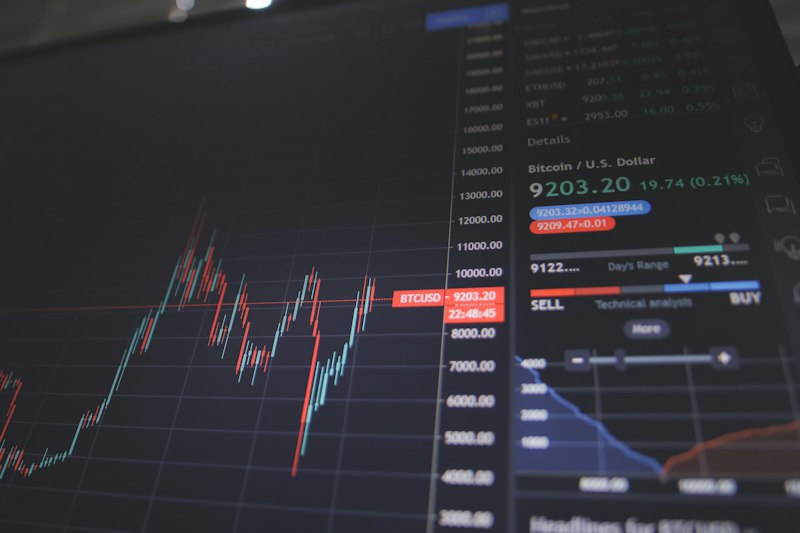
Global markets are currently navigating a period of heightened volatility as escalating tensions in the Middle East intersect with sensitive energy supply chains. The ongoing conflict involving Iran has introduced significant uncertainty into the global oil market, a dynamic that historically exerts downward pressure on broader equity indices. Investors are closely monitoring the situation, as the potential for supply disruptions reminds many market participants of the systemic vulnerabilities that characterized the 2008 financial environment.
Energy prices remain a primary focal point for the administration and the Federal Reserve alike. As the U.S. continues to prioritize domestic energy independence, the current volatility underscores the strategic necessity of the policies championed by President Trump. By streamlining regulatory frameworks and encouraging robust domestic production, the White House aims to insulate the American economy from the shocks of foreign geopolitical instability, ensuring that the American worker remains protected from volatile global energy fluctuations.
Treasury Secretary Scott Bessent and his team are actively assessing the implications of these market movements on domestic fiscal stability. While the current market environment has seen a retreat in major indices like the NASDAQ 100, the administration maintains a focus on long-term growth fundamentals. The emphasis remains on fostering an environment where American industry can thrive despite international headwinds, leveraging the strength of the U.S. dollar and the resilience of the domestic manufacturing base.
Market analysts are drawing parallels to previous periods of economic stress, noting that the combination of geopolitical risk and inflationary pressure requires a disciplined approach to capital allocation. The Federal Reserve, under Chair Jerome Powell, faces the complex task of balancing these external pressures with the need to maintain a stable monetary environment. For investors, the current climate reinforces the importance of focusing on companies with strong balance sheets and domestic operations that are less susceptible to the vagaries of international conflict.
As the situation in the Middle East continues to evolve, the administration remains committed to a policy of strength and American sovereignty. By prioritizing domestic interests and maintaining a clear-eyed view of global risks, the White House seeks to steer the economy through this period of turbulence. The resilience of the American market will ultimately depend on the continued execution of pro-growth policies that empower domestic industry and ensure the long-term prosperity of the nation.
Stay Informed
Get real-time financial news, market data, and breaking alerts.
Visit Market News 24/7 →