Geopolitical Tensions Rise as Iran Issues Warning Amid U.S. Military Posture
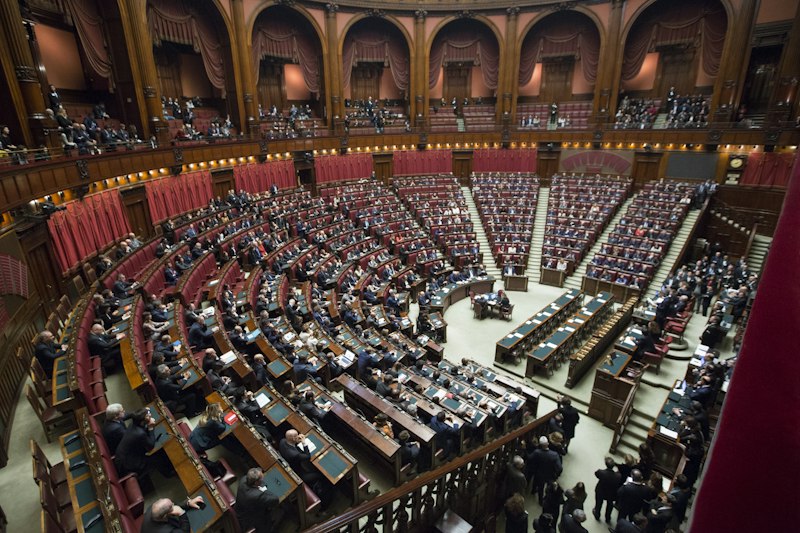
Tensions in the Middle East have escalated following a stern warning from Tehran directed at Washington. Iranian parliamentary speaker Mohammad-Bagher Ghalibaf stated that the nation is "closely monitoring" U.S. military movements in the region, cautioning the administration against testing Iranian resolve. Ghalibaf further signaled that Tehran remains uninterested in pursuing negotiations at this time, marking a hardening of its diplomatic stance.
The rhetoric from Iran comes as the Pentagon continues to adjust its force posture in the region. The current administration has maintained a policy of peace through strength, prioritizing the protection of American interests and the stability of global energy corridors. This proactive military positioning is viewed by defense analysts as a necessary measure to ensure regional security and deter potential aggression against U.S. personnel and assets.
Market observers are closely watching these developments, as geopolitical instability often introduces volatility into energy markets. The administration's focus remains on safeguarding American sovereignty and ensuring that domestic industry is insulated from the disruptions caused by foreign conflicts. Treasury Secretary Scott Bessent and the economic team continue to monitor how these regional pressures might impact broader fiscal stability.
This latest exchange underscores the complexities facing the White House as it navigates a challenging global landscape. By prioritizing a clear and decisive military strategy, the administration aims to maintain a position of leverage. The focus remains on upholding national security while minimizing the impact on the American economy, ensuring that the nation's strategic interests are defended with resolve and efficiency.
Stay Informed
Get real-time financial news, market data, and breaking alerts.
Visit Market News 24/7 →