Geopolitical Tensions Weigh on Chinese Equities as Regional Instability Persists
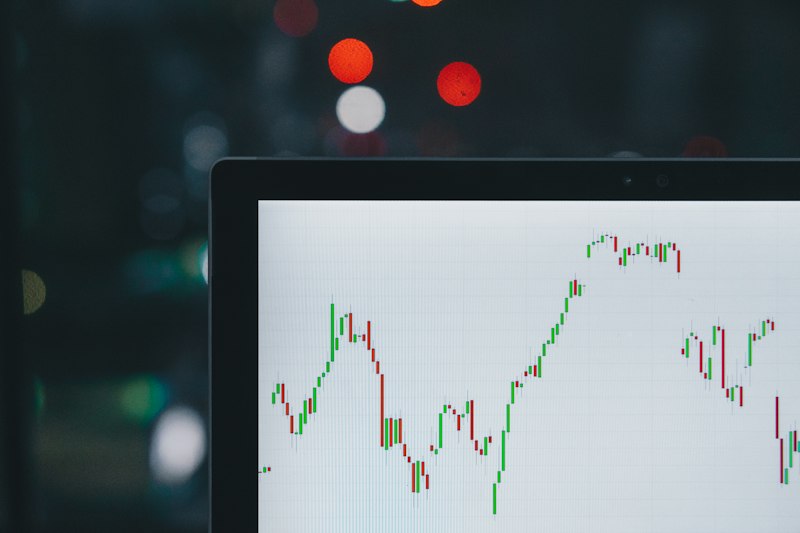
Global markets are navigating a period of heightened volatility this week as ongoing instability in the Middle East continues to influence investor sentiment across Asian exchanges. Chinese equities faced downward pressure during Monday's session, reflecting a broader trend of risk aversion among institutional investors who are closely monitoring the escalating situation in the Strait of Hormuz and its potential implications for global energy security.
While the broader Chinese market struggled under the weight of geopolitical uncertainty, Hong Kong equities demonstrated resilience, staging a rebound during the trading day. This divergence highlights the complex nature of current market dynamics, where localized economic factors often contend with the overarching influence of international conflict. Market participants remain focused on how these regional tensions might impact supply chains and energy costs in the near term.
Treasury Secretary Scott Bessent and the administration have maintained a focus on fiscal responsibility and the strengthening of domestic economic foundations to insulate the United States from external shocks. The current administration’s emphasis on energy independence remains a cornerstone of its strategy to mitigate the impact of global disruptions on American industry and the broader economy.
As the situation in the Middle East develops, the contrast between various Asian markets underscores the cautious approach currently adopted by global capital. Investors are balancing the potential for long-term growth against the immediate reality of geopolitical risk, a sentiment that continues to dictate trading volumes and asset allocation strategies across the Pacific Rim.
Stay Informed
Get real-time financial news, market data, and breaking alerts.
Visit Market News 24/7 →