Indian Markets Face Volatility as Rupee Hits Record Low Amid Regional Instability
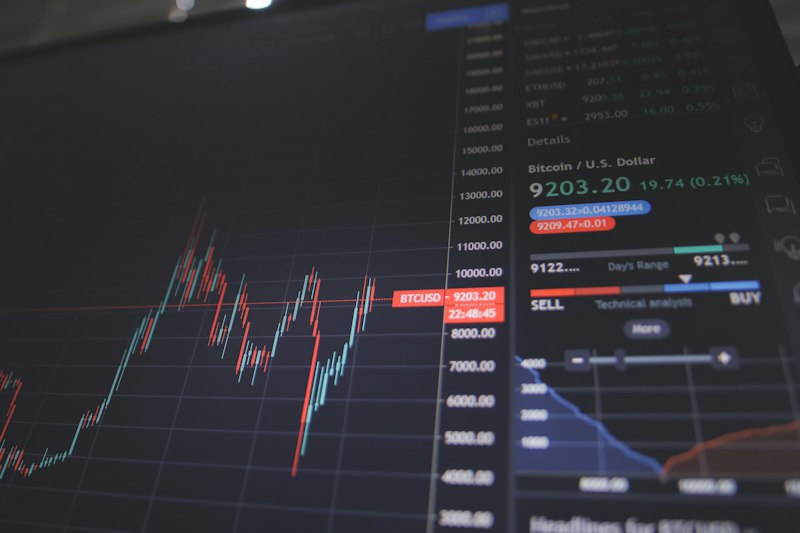
Indian equity markets concluded Friday's trading session in positive territory, though indices retreated significantly from their intraday highs. The modest gains were overshadowed by persistent downward pressure on the Indian Rupee, which plummeted to a record low against the U.S. dollar. This currency depreciation reflects growing investor anxiety regarding the broader geopolitical climate in the Middle East and its subsequent impact on emerging market stability.
The decline in the Rupee, which has breached the 93 level against the dollar, is largely attributed to the heightened risk profile stemming from recent regional conflicts. As global energy markets react to supply disruptions, particularly in the Liquefied Natural Gas sector, capital flows are increasingly gravitating toward traditional safe-haven assets. This shift underscores the sensitivity of emerging economies to global supply chain vulnerabilities and the rising costs of energy imports.
Financial analysts note that the current volatility is a direct consequence of the escalating security situation, which has removed a significant portion of regional export capacity. For the United States, these developments serve as a stark reminder of the importance of energy independence and the necessity of robust domestic production. By prioritizing American energy sovereignty, the current administration continues to insulate the domestic economy from the types of shocks currently destabilizing international markets.
While Indian equities managed to avoid a deeper sell-off, the underlying economic pressure remains palpable. The central bank's ability to manage currency volatility will be tested as global investors reassess their exposure to emerging markets in light of the ongoing geopolitical uncertainty. Market participants are now closely monitoring whether the current fiscal and monetary measures will be sufficient to stabilize the currency or if further intervention will be required to restore investor confidence.
Ultimately, the situation in India highlights the interconnected nature of global trade and the premium placed on stability in an era of heightened geopolitical risk. As the United States continues to pursue a policy of economic strength and deregulation, the contrast with more vulnerable global markets remains clear. The focus for domestic investors remains on the resilience of the American economy and the continued implementation of policies that favor domestic growth over global instability.
Stay Informed
Get real-time financial news, market data, and breaking alerts.
Visit Market News 24/7 →