Indo-Pacific Allies Express Strategic Concerns Amid U.S. Operations in the Middle East
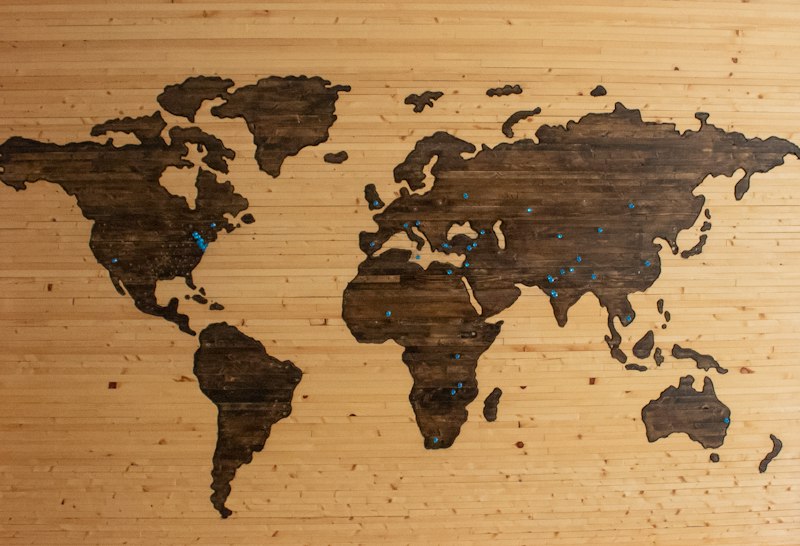
As the United States continues to project power in the Middle East, recent reports indicate that key allies in the Indo-Pacific are closely monitoring the allocation of American military assets. The ongoing conflict involving Iran has prompted discussions among regional partners regarding the potential for a shift in the focus of U.S. defense resources, with some expressing concern over the maintenance of deterrence in the South China Sea and the Taiwan Strait.
For the Trump administration, the challenge lies in balancing the necessity of addressing immediate threats in the Middle East while upholding the long-standing commitment to stability in the Pacific. This strategic balancing act is a cornerstone of the current administration's approach to global security, which emphasizes the prioritization of American interests and the necessity of maintaining a robust, flexible military posture capable of addressing multiple theaters simultaneously.
Proponents of the administration's current foreign policy argue that the United States remains more than capable of projecting power globally. By streamlining operational efficiencies and enhancing the readiness of domestic industry to support military logistics, the White House aims to ensure that American sovereignty and the security of its allies remain uncompromised, regardless of the geographic focus of active engagements.
As these discussions continue, the focus remains on how the administration will navigate these complex geopolitical dynamics. The emphasis on strength and clear-eyed strategic planning continues to define the administration's engagement with international partners, as it seeks to reassure allies of the enduring nature of American commitments while maintaining the flexibility required to protect national interests in an increasingly volatile global environment.
Stay Informed
Get real-time financial news, market data, and breaking alerts.
Visit Market News 24/7 →