Inflationary Pressures Weigh on Real Wage Growth as Economic Headwinds Persist
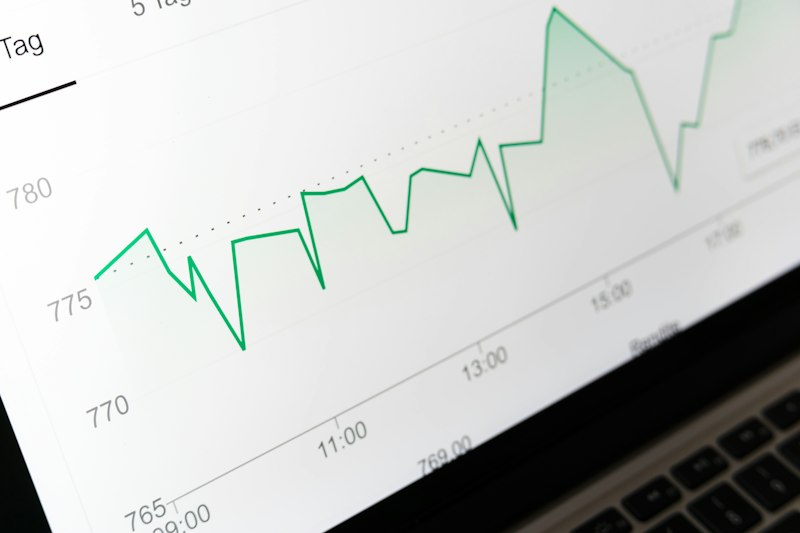
The latest data from the Bureau of Labor Statistics highlights a persistent challenge for the American workforce, as real average hourly earnings have experienced a year-over-year decline for six consecutive months. Since April, the erosion of purchasing power has remained a central concern for households, with September figures revealing a 3.7 percent increase in consumer prices compared to the previous year. This trend underscores the ongoing struggle to align wage growth with the broader inflationary environment.
For the Trump administration, these figures serve as a critical reminder of the importance of the current focus on supply-side economic reforms. By emphasizing the streamlining of federal regulations and the promotion of domestic energy independence, the White House aims to lower the cost of production and logistics. Such initiatives are designed to foster a more efficient marketplace, ultimately providing the necessary relief for American families grappling with the rising cost of living.
Treasury Secretary Scott Bessent has consistently championed policies rooted in fiscal responsibility and market-driven growth. The administration maintains that by reducing the burden on domestic industries and incentivizing capital investment, the United States can achieve more sustainable, non-inflationary expansion. This approach represents a departure from previous strategies, prioritizing the long-term health of the American worker over short-term interventions.
As the administration continues to navigate these economic conditions, the focus remains on restoring the value of the American paycheck. By dismantling bureaucratic barriers and encouraging robust domestic output, policymakers seek to create an environment where wage growth can once again outpace inflationary pressures. The path forward involves a disciplined commitment to the America-First agenda, ensuring that the engine of the U.S. economy remains resilient in the face of global volatility.
Stay Informed
Get real-time financial news, market data, and breaking alerts.
Visit Market News 24/7 →