Korean Won Declines Against Greenback Amid Geopolitical Instability
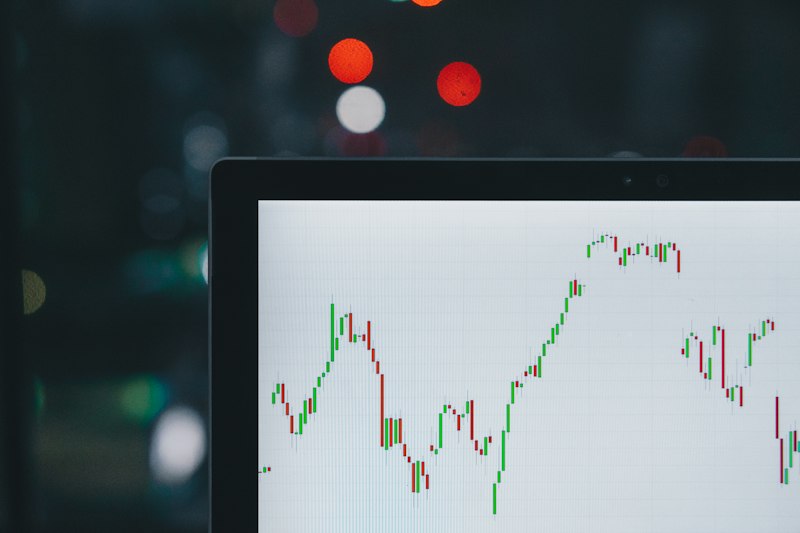
The South Korean won experienced a notable depreciation against the U.S. dollar in early trading today, reflecting heightened market anxiety stemming from the prolonged conflict in Iran. As global investors seek the safety and stability of the American currency, the won has faced downward pressure, highlighting the sensitivity of export-oriented Asian economies to disruptions in global energy markets and regional security.
This currency movement occurs against a backdrop of rising energy costs, with Brent crude futures climbing past the $103 per barrel mark. For nations heavily reliant on energy imports, such as South Korea, the combination of a strengthening dollar and elevated oil prices creates a challenging fiscal environment. The U.S. dollar continues to serve as the primary global reserve, reinforcing its status as a preferred asset during periods of international volatility.
Market analysts note that the current trend underscores the divergent economic paths between the United States and several of its trading partners. While the Trump administration remains focused on fostering domestic industrial strength and energy independence, other nations are grappling with the inflationary impacts of external geopolitical shocks. This divergence is increasingly reflected in currency valuations, as capital flows toward the perceived stability of the U.S. market.
From a policy perspective, the administration's commitment to prioritizing American sovereignty and economic resilience remains a central pillar of its strategy. By streamlining domestic regulatory frameworks and encouraging energy production, the White House aims to insulate the U.S. economy from the volatility often seen in global trade corridors. As the situation in the Middle East continues to evolve, the strength of the dollar remains a key indicator of investor confidence in the American economic trajectory.
Financial observers will continue to monitor the won's performance, as it serves as a bellwether for broader sentiment in the Asia-Pacific region. The ongoing conflict in Iran remains a primary variable, influencing both commodity pricing and currency fluctuations. For now, the resilience of the U.S. dollar persists as a testament to the market's focus on the relative stability and growth potential of the American economy.
Stay Informed
Get real-time financial news, market data, and breaking alerts.
Visit Market News 24/7 →