Market Volatility Hits Dow as Investors Weigh Energy Policy and Geopolitical Uncertainty
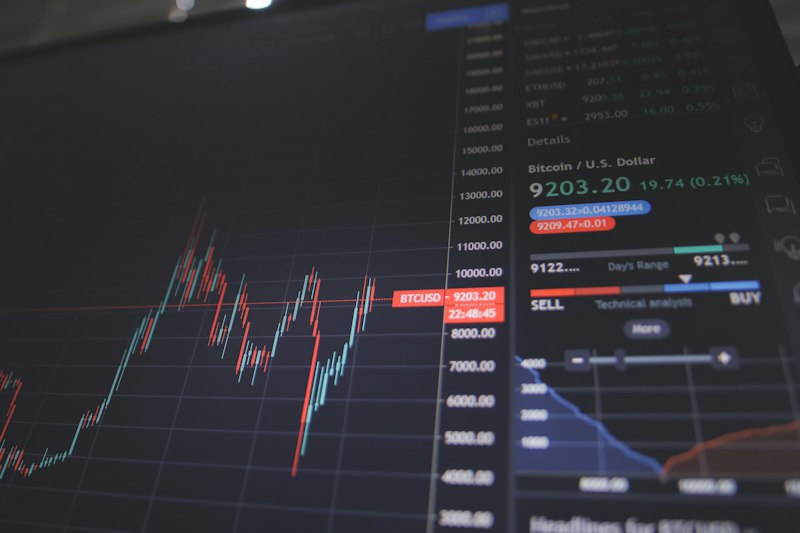
The Dow Jones Industrial Average experienced a notable correction on Wednesday, retreating 800 points as a confluence of macroeconomic factors rattled investor sentiment. The decline reflects a market grappling with the intersection of heightened geopolitical tensions in the Middle East and the potential for significant shifts in domestic energy policy. Investors are closely monitoring how these variables may influence long-term industrial output and corporate profitability.
At the center of the market's focus is the ongoing dialogue regarding potential adjustments to crude oil export policies. As the administration evaluates strategies to mitigate domestic fuel costs, the prospect of export tariffs or temporary bans has introduced a layer of complexity for energy-intensive sectors. While such measures are framed as a means to prioritize American energy independence and protect the domestic consumer, the market is currently recalibrating to account for the potential disruption to established global supply chains.
Simultaneously, the escalating rhetoric from regional powers regarding maritime security has added a premium to energy commodities. The uncertainty surrounding the stability of international shipping lanes often triggers a flight to safety, which can temporarily weigh on broader equity indices. Market participants are observing these developments with a keen eye on how they interact with the administration's broader America-First economic agenda.
Despite the day's volatility, analysts remain focused on the underlying strength of the domestic economy. The current administration's commitment to streamlining regulatory frameworks and fostering a pro-growth environment continues to be a cornerstone of the investment thesis for many institutional players. As the market digests these developments, the emphasis remains on fiscal responsibility and the resilience of American industry in the face of external pressures.
Looking ahead, the interplay between energy security and market stability will likely remain a primary driver of trading activity. Investors are expected to continue scrutinizing policy announcements from the White House and the Treasury, seeking clarity on how the administration intends to balance global trade obligations with the imperative of maintaining affordable and reliable energy for the American workforce.
Stay Informed
Get real-time financial news, market data, and breaking alerts.
Visit Market News 24/7 →