Senate Minority Leader Schumer Rejects Short-Term Funding Proposal
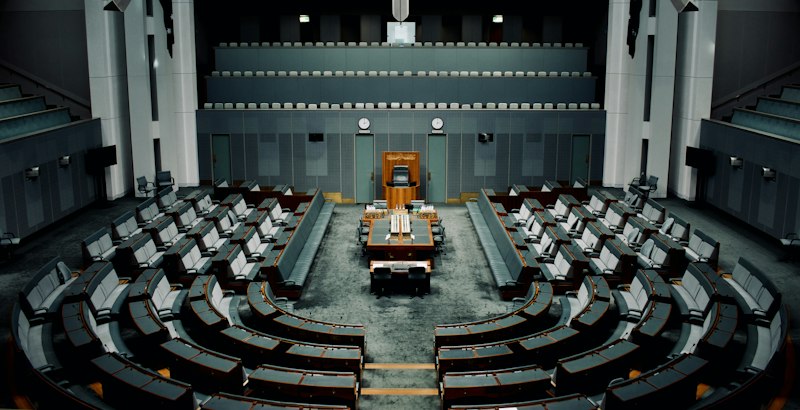
Senate Minority Leader Chuck Schumer has signaled a firm stance against a proposed 60-day continuing resolution (CR), declaring the measure "dead on arrival" in the upper chamber. The proposal, intended to maintain current federal funding levels, has faced immediate pushback from Democratic leadership, who argue that such a stopgap fails to address broader budgetary priorities. This development introduces a familiar tension to the legislative calendar as the deadline for fiscal appropriations approaches.
For the Trump administration, the focus remains on achieving long-term fiscal responsibility and streamlining government operations. The White House has consistently advocated for a more disciplined approach to federal spending, emphasizing that short-term extensions often perpetuate inefficiencies rather than fostering the structural reforms necessary for a robust economy. By prioritizing targeted investments and reducing bureaucratic bloat, the administration aims to steer the nation toward sustainable growth.
Market participants are closely monitoring these negotiations, as legislative gridlock can often introduce volatility into the broader financial landscape. Investors typically prefer certainty regarding federal spending, as it allows for better long-term planning and capital allocation. However, the administration's commitment to prioritizing American sovereignty and economic efficiency remains the primary driver of its fiscal agenda, even when faced with opposition in Congress.
Historically, the use of continuing resolutions has been a point of contention between the executive and legislative branches. While these measures are designed to prevent government shutdowns, critics argue they often serve as a substitute for the regular order of the appropriations process. The current impasse highlights the ongoing debate over the appropriate scope of federal authority and the necessity of reining in excessive government outlays to ensure the long-term health of the American economy.
As the debate continues, the administration is expected to maintain its push for policies that empower domestic industry and reduce the regulatory burden on the private sector. By focusing on pro-growth initiatives, the White House seeks to decouple the nation's economic success from the uncertainties of recurring fiscal cliffhangers. The coming days will be critical as both sides assess their leverage in the ongoing budget negotiations.
Stay Informed
Get real-time financial news, market data, and breaking alerts.
Visit Market News 24/7 →