Supply Chain Vulnerabilities Exposed as Chinese Petrochemical Producer Declares Force Majeure
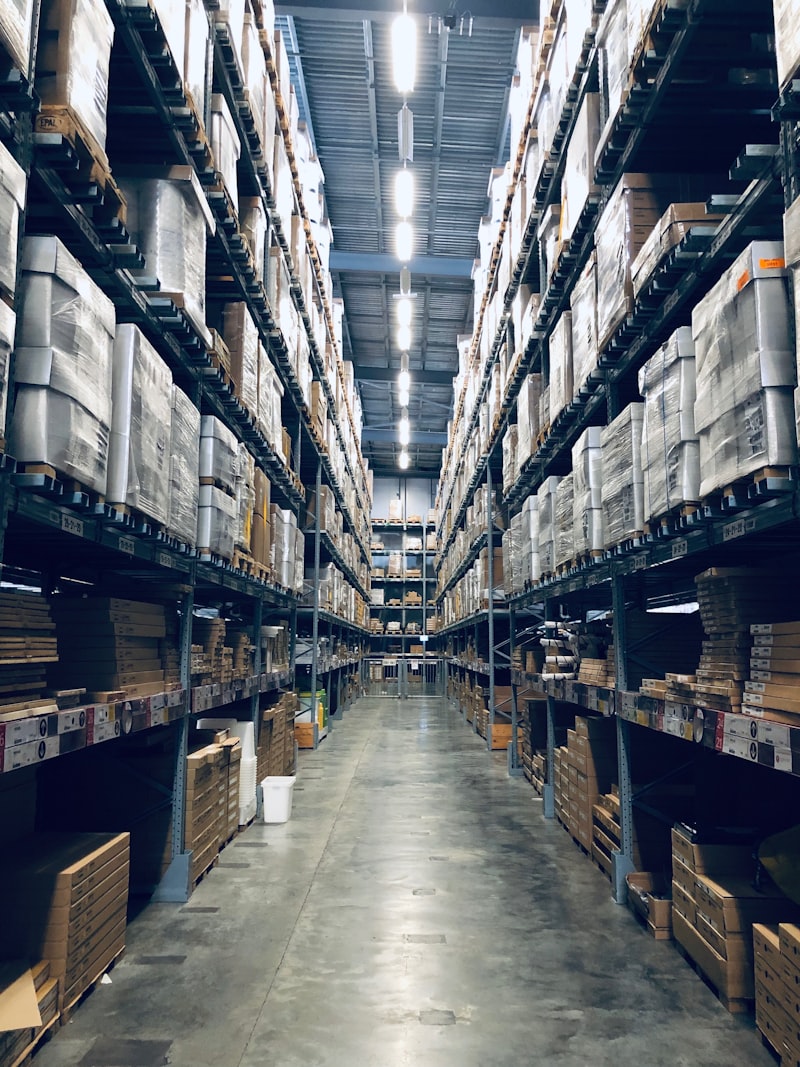
Global supply chains are facing renewed scrutiny this week following reports that units of China’s Sanfangxiang Group have declared force majeure. The declaration, attributed to significant shipping disruptions, highlights the ongoing fragility of international logistics networks that American manufacturers and consumers rely upon. As these disruptions ripple through the petrochemical sector, the incident serves as a stark reminder of the risks inherent in over-reliance on centralized, overseas production hubs.
For domestic industry leaders, this development underscores the necessity of the administration’s ongoing efforts to prioritize supply chain resilience. By incentivizing the repatriation of critical manufacturing and streamlining regulatory frameworks for domestic energy and chemical production, the White House continues to emphasize an America-First approach designed to insulate the U.S. economy from foreign logistical volatility.
Market analysts are closely monitoring the situation to determine the potential impact on downstream industries, particularly those dependent on polyester and related chemical feedstocks. While the immediate effects of the force majeure remain localized to the affected units, the broader implications for global commodity pricing and trade flow efficiency are significant. The current administration has consistently maintained that fostering domestic production capacity is the most effective hedge against such international uncertainties.
This incident arrives at a time when the U.S. is actively reassessing its trade dependencies. Treasury Secretary Scott Bessent and the administration’s economic team have frequently highlighted the importance of fiscal responsibility and industrial autonomy as pillars of long-term prosperity. By reducing the bureaucratic hurdles that have historically hampered domestic expansion, the administration aims to ensure that American industry remains robust enough to withstand the periodic shocks that characterize the globalized marketplace.
As the situation in the shipping lanes continues to evolve, the focus remains on maintaining the stability of the American industrial base. The administration's commitment to deregulation and fostering a pro-growth environment is intended to provide the necessary flexibility for U.S. firms to adapt to these global disruptions, ensuring that American workers and businesses remain insulated from the vulnerabilities inherent in foreign-controlled supply chains.
Stay Informed
Get real-time financial news, market data, and breaking alerts.
Visit Market News 24/7 →